
HOKUSAI KATSUSHIKA
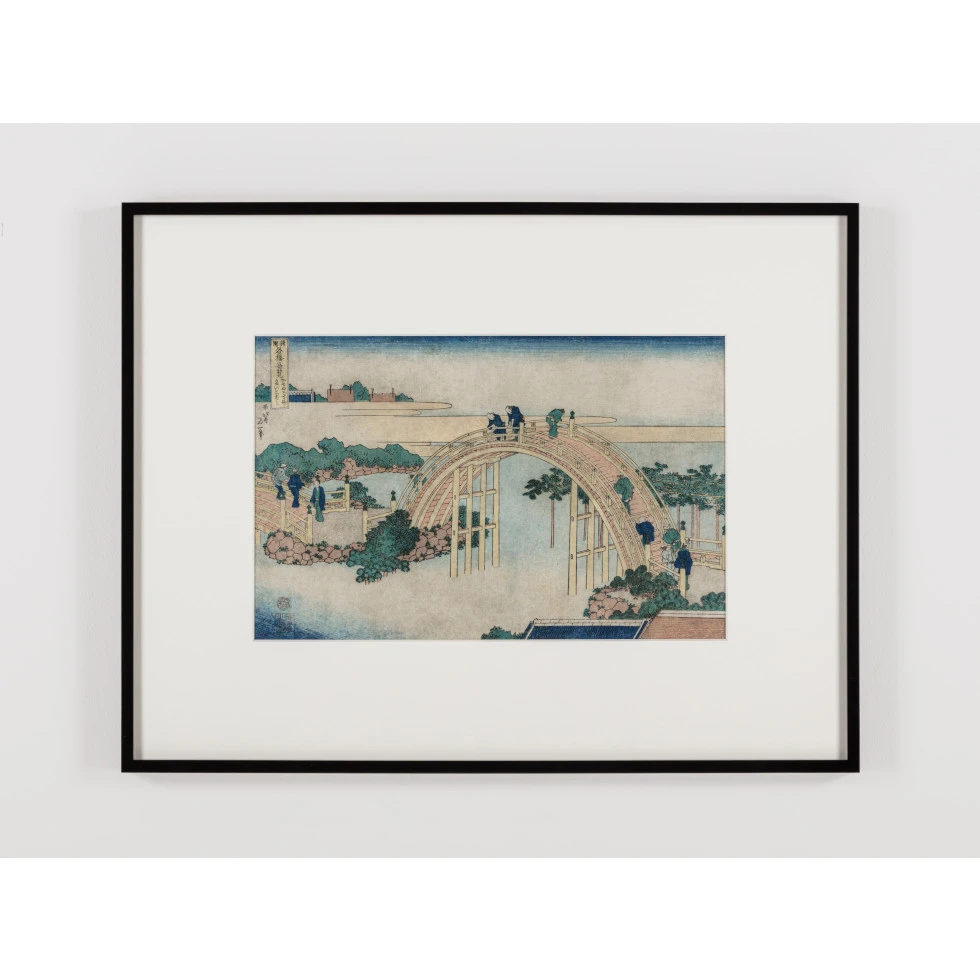
All works in the collection (1)
-
Title: The Arched Bridge at Kameido Tenjin Shrine (from the series Remarkable Views of Bridges in Various Provinces)
Year: Edo period : circa 1834
Medium: woodblock print
Dimensions: 24.7 x 37.3 cm (9 3/4 x 14 5/8 in.)
Hokusai Katsushika was born in what is now Tokyo’s Sumida Ward in 1760 and passed away in 1849. He was a ukiyo-e artist of the late Edo period. His artistic career began in earnest when, at the age of 19, he was apprenticed to Shunsho Katsukawa, a leading mid-Edo period ukiyo-e artist. Hokusai lived a long life by the standards of his time as a Japanese person and, true to his self-proclaimed title “Gakyo Rojin” (The Old Man Mad About Art), is said to have never set his brush aside, keeping him working until just before his death at the age of 90. He is thought to have left behind well over 30,000 works during his lifetime, with masterpieces such as the “Thirty-six Views of Mount Fuji” and “Hokusai Manga” well-known around the world. Hokusai changed his artist name more than 30 times throughout his life, often reflecting the periods of his career. After leaving Katsukawa’s tutelage, Hokusai honed his own personal style while studying the style of the Rinpa school. Ukiyo-e captivated many when the Japonisme movement swept late 19th-century Europe, exerting a significant influence on Impressionist and Post-Impressionist painters like Édouard Manet and Vincent van Gogh. They studied Hokusai as a representative of ukiyo-e artists, and one could say that his innovative compositions, exaggerated perspective, vibrant colors unrestrained by mimesis, and free line work contributed profoundly to new forms of expression unprecedented in Western painting.

